Tips
Cheese-Pull Perfection: The Science of Melty Pizza
That glorious cheese pull is not luck, it is science. Here is what makes pizza cheese melt, stretch, and brown, and how the pros get it right every time.
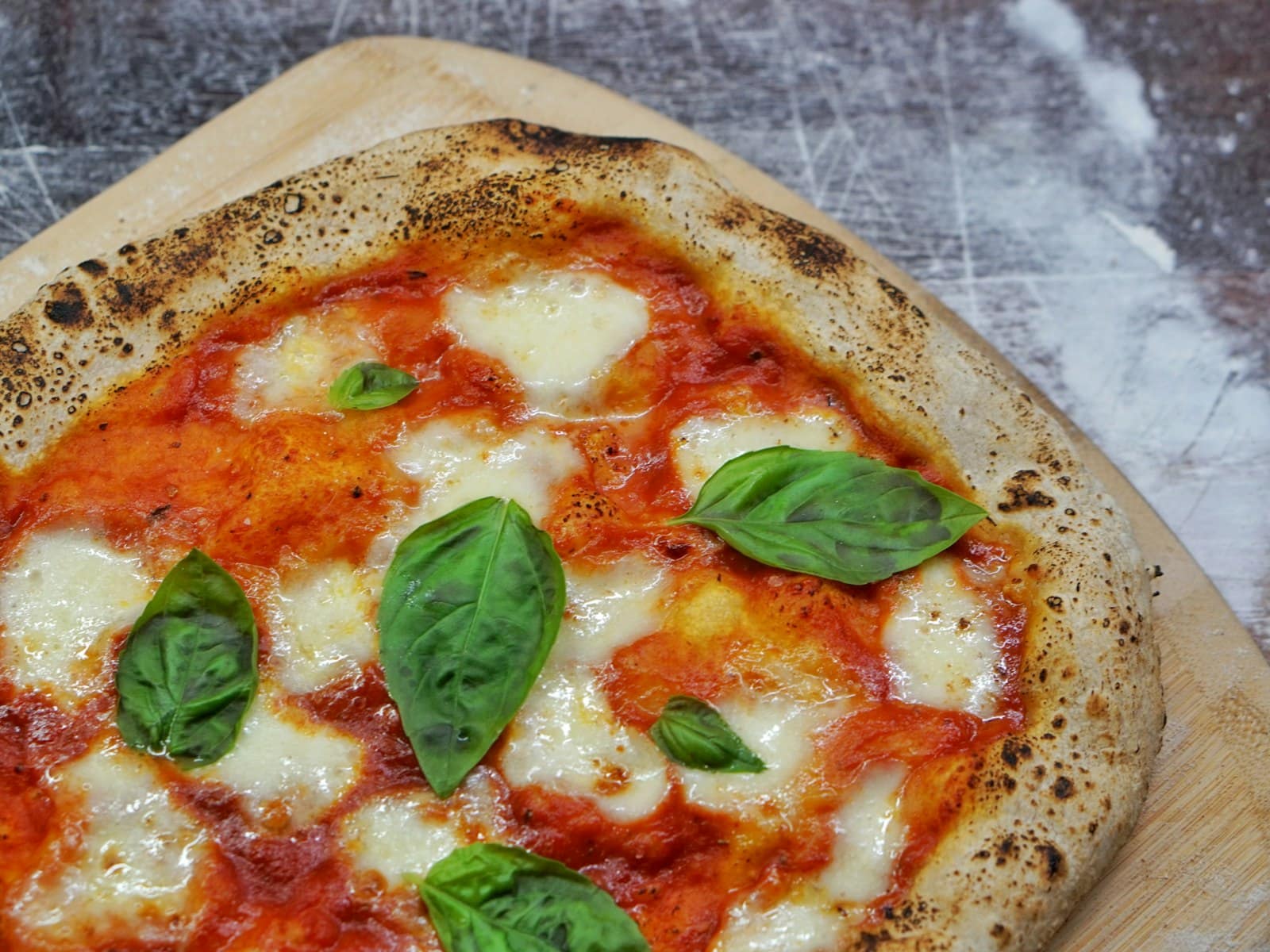
There is a reason the cheese pull is the star of every pizza photo and video. That stretchy, golden, molten thread of cheese lifting off a slice is pure satisfaction, and it is not an accident or good luck. Behind the perfect melt is a bit of genuine food science that the best kitchens understand intuitively, even if they never put it in those words. Here is what is really going on, and how you can get a better melt yourself.
Why some cheese stretches and some does not
The classic stretchy melt comes from mozzarella, and it is all about protein structure. Cheese is essentially a network of protein holding fat and moisture. When mozzarella heats up, its proteins loosen and align into long strands, while the fat and moisture keep everything fluid and flexible. Pull a slice and those aligned strands stretch into the iconic cheese pull. Cheeses with different protein and moisture structures behave completely differently, some pool into a puddle, some stay firm and barely melt, and some break and turn oily.
The cheese pull is protein strands stretching while fat and moisture keep them flexible. Too dry and it tears; too wet and it turns greasy.
Moisture is a balancing act
Cheese needs enough moisture to melt smoothly but not so much that it floods the pizza. This is why quality matters so much. Low-grade, overly wet cheese releases water and oil as it heats, leaving a greasy, pooling mess instead of a clean, cohesive melt, and it can make the whole pizza slick and soggy. The right cheese, applied with a light hand, melts into a smooth, stretchy layer that browns rather than weeps.
- Too little moisture: the cheese browns too fast and turns leathery or even burns.
- Too much moisture: watery, greasy, and prone to sliding off the slice.
- Just right: smooth melt, gentle browning, and that satisfying stretch.
The role of heat
Heat is the other half of the equation. A hot oven melts the cheese and develops those prized golden-brown spots through gentle caramelisation and browning of the proteins and sugars. Too cool and the cheese stays pale and rubbery; too hot for too long and it scorches and turns bitter. The sweet spot is hot enough to brown beautifully in the same time it takes the crust to bake. This is the same heat principle that governs the whole pizza, as we explain in what makes the best pizza.
Why fresh from the oven matters
The cheese pull is also a fleeting thing, which is part of its magic. It is at its best in the first few minutes out of the oven, while the cheese is still molten. As pizza cools, the proteins firm back up and the fat resolidifies, so the stretch fades and the cheese sets. That is exactly why hot, fast delivery makes such a difference, and why a cooled-down pizza never photographs the same. We cover keeping that heat in how Jomaas keeps pizza hot.
Less is more
One of the biggest myths is that more cheese equals a better pizza and a better pull. In reality, an overly thick layer traps grease, melts unevenly, and overwhelms the other flavours, and it is more likely to weep oil than to stretch cleanly. The best pizzas use a generous but measured amount, enough for a great pull without drowning the pie. We make the same case in our toppings guide.
Getting the pull at home
If you are making pizza at home and want a better melt, a few simple moves go a long way:
- Use a good-quality mozzarella rather than the cheapest bag of shreds.
- Do not over-apply it; a measured layer melts more evenly than a thick blanket.
- Make sure your oven is fully preheated so the cheese melts and browns quickly.
- Avoid piling wet toppings directly on top of the cheese, which can make it greasy.
And when reheating leftovers, the skillet method protects the melt best, as covered in how to reheat pizza.
Beyond mozzarella: blends and other cheeses
Mozzarella is the backbone of the cheese pull, but it is not the only player. Many great pizzas use a blend, pairing mozzarella's stretch with a second cheese chosen for flavour. A touch of a sharp, aged cheese adds savoury depth and a salty edge; a creamier cheese can add richness and a smoother melt. The art is in the proportion: mozzarella should usually lead so the stretch survives, with the other cheeses playing supporting roles rather than taking over the whole pie.
The cheese-to-sauce ratio
A perfect melt is not just about the cheese itself but how it sits with everything else. Too much sauce under the cheese can make the surface watery and prevent clean browning, while too little leaves the pizza dry. The cheese should melt into a cohesive layer that meets the sauce without drowning in it. Getting this balance right is part of the wider art of balance that defines great pizza, which we cover in what makes the best pizza.
Why the photo never does it justice
The cheese pull is famously photogenic, but a picture only captures one frozen instant of a living thing. In person, the pull has movement, warmth, and aroma; it is the moment of lifting a slice while the cheese is still molten and alive. That is also why it is so fleeting, and why it rewards eating pizza fresh and hot rather than letting it cool. No photo can deliver the satisfaction of the real thing in your hands.
Temperature and timing of the cheese
A detail that quietly affects the melt is the temperature of the cheese when it goes on. Very cold cheese straight from the fridge can be slow to melt, sometimes leaving the surface uneven by the time the crust is done. Letting it come up slightly before baking, or simply accounting for it with the right oven heat, helps the cheese melt and brown in step with everything else on the pizza.
Timing matters at the other end too. Cheese keeps cooking from residual heat after the pizza leaves the oven, so a melt that looks just right out of the oven will set as it rests. This is one more reason pizza is best eaten promptly, while the cheese is still in that perfect molten window, rather than left to sit and firm up on the counter.
Frequently asked questions
Why is mozzarella the classic pizza cheese?
Its protein and moisture structure melts into smooth, stretchy strands, giving the signature cheese pull while browning nicely.
Why did my pizza cheese turn out greasy?
Usually too much cheese or a low-quality, overly wet cheese releasing fat and water as it melts.
How do I get golden-brown spots on the cheese?
A properly hot oven encourages gentle browning. A cool oven leaves the cheese pale and rubbery.
Why does the cheese pull disappear as the pizza cools?
As pizza cools, the proteins firm up and the fat resolidifies, so the stretch fades. The pull is best in the first few minutes.
Craving that perfect pull right now? Order a pizza and watch the cheese stretch.