Why Jomaas
How Jomaas Keeps Pizza Hot From Oven to Door
A cold delivery can ruin a great pizza. Here is how Jomaas thinks about timing, packaging, and routing to get your order to you hot and crisp.
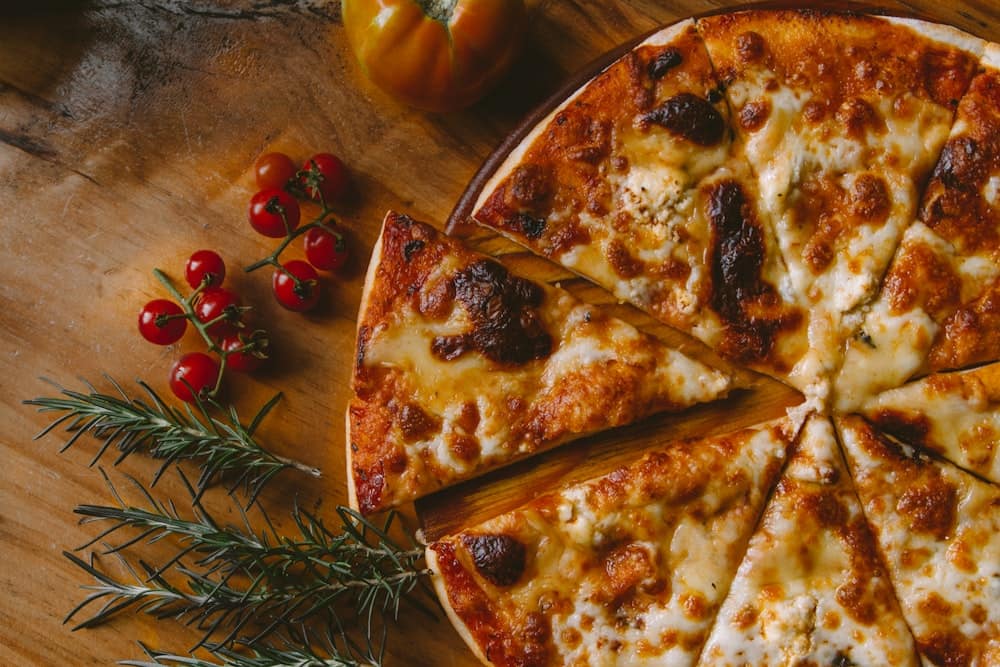
You have felt the disappointment: a pizza you were genuinely excited about arrives lukewarm, the crust gone soft, the cheese set into a single sheet. It is one of the most common ways a good pizza gets ruined, and it happens after the kitchen has done everything right. A great pizza deserves a great delivery, so we treat the journey from oven to door as part of the recipe, not an afterthought. Here is how we think about it, and why it matters more than most people realise.
It starts with timing
The single biggest factor in delivery quality is time. The clock starts the moment a pizza leaves the oven, and from that point it is steadily cooling and, inside a closed box, gently steaming itself soft. The longer a pizza sits, the more both effects compound. So we sequence orders so your pizza is baked to finish close to when it actually leaves, rather than sitting around waiting for a driver or for the rest of an order.
The clock starts the moment a pizza leaves the oven. Everything we do is about respecting that clock.
Packaging that protects texture
The right box does two jobs at once, and they are in tension: it holds heat in and it lets steam escape. Trap too much steam and the crust turns soggy from the moisture it gives off; let too much heat out and the pizza arrives cold. Good pizza packaging is both insulating and vented, striking that balance so the crust stays as crisp as possible while the pizza stays hot.
- Insulation: keeps the heat where it belongs during the trip.
- Ventilation: lets steam escape so the base does not soften into a soggy mess.
- Sturdiness: protects the pizza from sliding, folding, or being crushed in transit.
Smart routing
Even a perfectly baked, well-packed pizza suffers on a slow, meandering trip across town. Efficient routing and sensible delivery zones mean your order takes the most direct path to you, minimising time on the road. Shorter trips mean hotter, crisper pizza, full stop. It is one of the least glamorous parts of pizza delivery and one of the most important.
Why this matters more than people think
Consider everything that goes into the pizza itself: the carefully made dough that fermented for the better part of a day, the balanced toppings, the proper bake in a hot oven. All of that work can be undone in the last fifteen minutes if the delivery is treated as an afterthought. Protecting the food on its way to you is how we make sure the pizza you ordered is the pizza you actually eat. It is the final, easy-to-ignore step that quietly separates a good experience from a frustrating one.
Pickup versus delivery
If you want your pizza at its absolute peak, pickup gets it to you seconds out of the oven, before any of the cooling and steaming begins. Delivery trades a little of that peak for the convenience of not leaving home, and good delivery practices close most of the gap. Neither is wrong; it depends on whether you value maximum freshness or maximum convenience on a given night.
Tips for your end
You can help your pizza arrive at its best too:
- Be reachable when your order is out for delivery so there are no delays at the door.
- Provide clear directions and an accessible address to shave minutes off the trip.
- Eat it promptly when it arrives, while the crust is still crisp.
- Save leftovers properly and reheat them right. Our reheating guide will bring them back to life.
The first ten minutes matter most
Heat loss is fastest right after a pizza leaves the oven, when the gap between the hot food and the cooler air is largest. That is why those first few minutes are so critical, and why we design the whole handoff around them. The closer your pizza is to the oven when it starts its journey, and the faster that journey is, the more of that precious early heat survives. Everything downstream, the packaging, the routing, even your own readiness at the door, is really about protecting those opening minutes.
How weather plays a role
Conditions matter more than people realise, especially in a climate with real winters. Cold air pulls heat from a delivery box far faster, so colder days demand tighter timing and better insulation to deliver the same hot pizza. A good operation accounts for this rather than pretending every day is the same. It is one more reason that ordering ahead during busy or extreme-weather periods helps your food arrive at its best.
Pickup for peak freshness
If you happen to be nearby and want your pizza at its absolute best, pickup remains unbeatable. There is simply no delivery, however well managed, that can match a pizza eaten minutes after it leaves the oven. Delivery trades a sliver of that peak for the comfort of staying home, and good practices close most of the gap, but for the freshest possible slice on a special night, grabbing it yourself is worth considering.
What to do if your order arrives cool
Even with the best practices, life happens: a long-distance delivery, a tricky address, an unavoidable delay. If your pizza ever arrives cooler than you would like, do not write it off. A few minutes in a hot oven or a skillet will revive the crust and remelt the cheese beautifully, as our reheating guide explains. And if something is genuinely not right with your order, the best thing you can do is let your local branch know so they can make it right.
Honest timing beats optimistic timing
One underrated part of great delivery is simply being honest about how long it will take. An optimistic estimate that the kitchen cannot meet leaves you waiting and watching the door, and your pizza often suffers because it was rushed or left sitting. A realistic estimate, even if it is a few minutes longer, sets the right expectation and lets the kitchen sequence your order so it leaves at the ideal moment.
This matters most during peak times. When everyone orders at once, a place that quotes a sensible, slightly longer time and then delivers hot, well-made pizza is doing right by you, far more than one that promises the impossible and disappoints. Good timing is not just about raw speed; it is about reliability, so the pizza that arrives is as good as the one that left the oven.
Frequently asked questions
Why does delivered pizza sometimes get soggy?
Trapped steam inside a poorly vented box softens the crust. Good packaging and short delivery times prevent it.
Is pickup hotter than delivery?
Pickup can get you the pizza seconds out of the oven, but well-managed delivery keeps it hot and saves you the trip.
How can I keep my pizza hot if I cannot eat right away?
Keep it in the closed box in a warm spot for a short time, or reheat it properly later rather than letting it sit out and go cold.
Does ordering more pizzas slow down delivery?
Larger orders take a little longer to prepare, which is why ordering ahead for groups helps everything arrive hot and together.
Hungry for a pizza that arrives the way it left the oven? Order delivery now.