Why Jomaas
The Secret Behind Jomaas Pizza Dough
Crust is the most overlooked part of a pizza and the most important. Here is how Jomaas approaches dough, and why time is the secret ingredient.
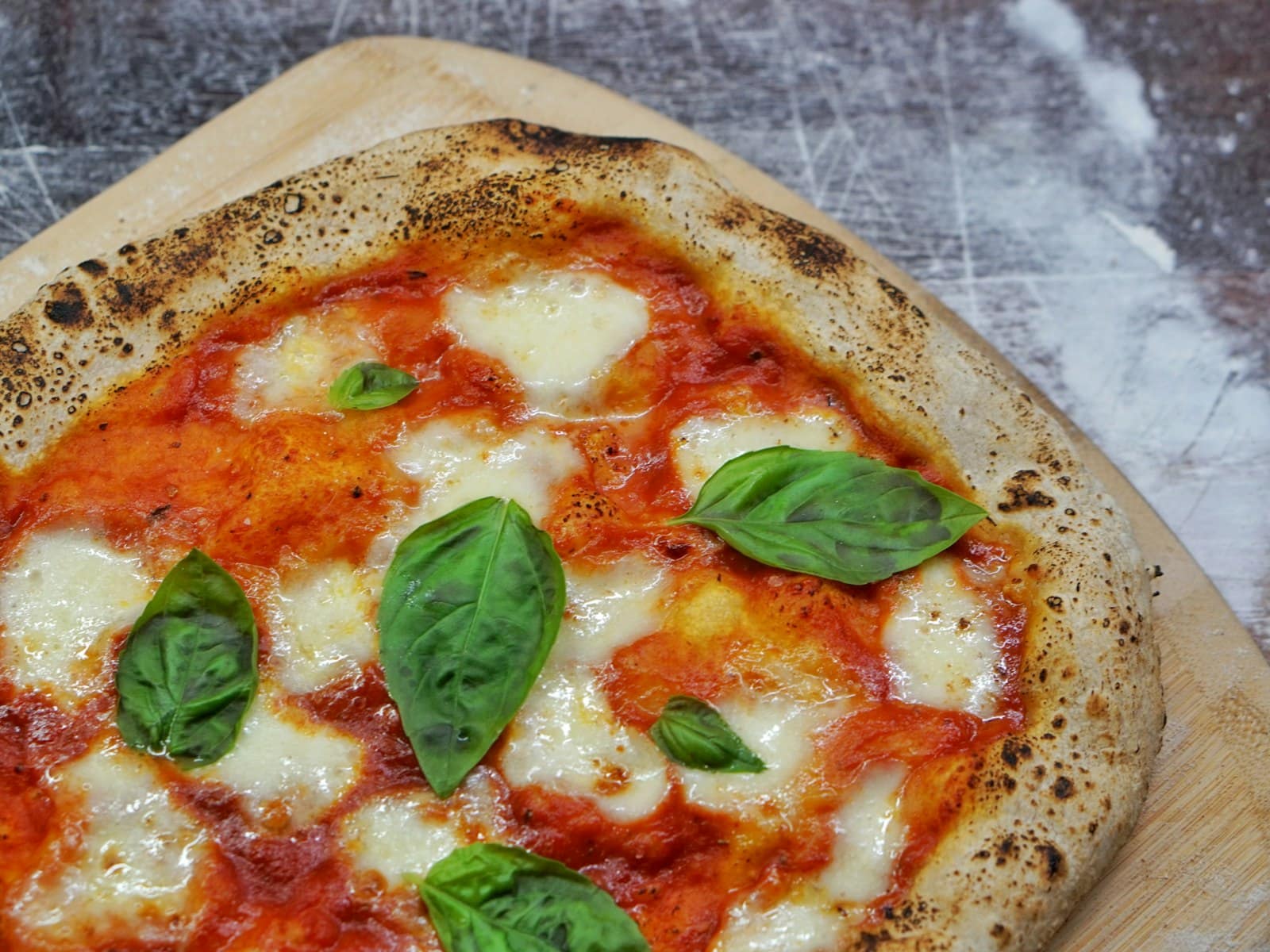
Most people judge a pizza by its toppings. We start one layer deeper, with the dough. A brilliant crust can carry a simple pizza, but no topping can rescue a bad one. The dough is also the largest single thing you eat on a pizza and the last bite you take, so if it is an afterthought, the whole experience suffers. So here is an honest look at what goes into the foundation of every Jomaas pizza, and why we are willing to do the harder thing to get it right.
The secret ingredient is time
If we had to name one thing that makes the biggest difference, it would be time. Dough that is rushed tastes flat and bakes dense. Dough that is given a long, slow rest develops flavour and a lighter texture. That is fermentation doing its quiet work, and there is no machine that can fake it.
During fermentation, the yeast and natural enzymes break down starches and build complex flavour compounds. The result is a crust with a subtle, slightly tangy depth you cannot get any other way, and a crumb full of small air pockets that bake up tender and light. The longer, slower, and cooler that rest, generally the better the flavour and the easier the dough is to digest.
You cannot shortcut fermentation. There is no machine that turns one hour into a full day of flavour. You simply have to wait.
Why hydration matters
Beyond time, the ratio of water to flour, what bakers call hydration, shapes everything about the final crust. Too little water and the dough is stiff and bakes into something dense and dry. Too much and it becomes hard to handle and bakes unevenly. The right hydration gives you a dough that is supple to shape and bakes into a crust that is crisp on the outside and open and airy within.
Handling it gently
Once the dough has rested, how you shape it matters just as much as how long it fermented. Pressing dough flat with a machine squeezes out the very air pockets fermentation worked to create, leaving a uniform, lifeless base. Shaping by hand keeps that structure intact, which is why hand-shaped pizzas have that beautiful, slightly irregular, airy edge that machine-pressed ones never quite achieve.
- Keep the air in. Gentle shaping protects the gas bubbles that make a crust light and give it that signature blistered rim.
- Respect the rim. Leaving the outer edge a little thicker gives you that puffy, golden crust to finish on.
- Do not overwork it. Too much handling tightens the gluten and makes the dough tough and chewy in the wrong way.
The bake seals the deal
Great dough still needs a great bake. High, even heat sets the crust fast, locking moisture inside while the bottom crisps. That contrast between a crackly base and a soft, chewy interior is the payoff for all the patience. A cool oven undoes everything, drying the dough out before it can spring and brown. We cover the role of heat more broadly in what makes the best pizza.
Why it is worth the effort
All of this takes planning. Dough has to be made well ahead of time, stored at the right temperature, and handled with care by people who know what they are doing. It would be far easier to use a same-day shortcut or a frozen base. But the difference is in every bite, especially in the crust, and especially in that last inch most people would never think twice about. When the crust is good enough to eat plain, you know the foundation is right.
How to taste the difference yourself
Next time you eat any pizza, pay attention to the crust on its own. Pull off a piece of the outer edge and taste it without sauce or cheese. A great crust will have flavour, a pleasant chew, and an airy interior. A rushed one will taste of nothing much and feel either dense or cracker-flat. Once you start noticing the crust, you will never judge a pizza the same way again.
Flour matters more than you think
Before water ever touches it, the flour itself sets the ceiling for how good a dough can be. Different flours have different protein levels, and that protein determines how much structure and chew the crust develops. A flour suited to pizza gives the dough enough strength to trap air and hold its shape while staying tender to bite. Use the wrong flour and even flawless technique cannot fully compensate. It is the kind of choice customers never see on the menu but always taste in the crust.
The quiet work of salt
Salt does far more than season the dough. It strengthens the gluten network, controls how quickly the yeast works, and rounds out the flavour so the crust does not taste flat. Too little and the dough turns slack and bland; too much and it tightens up while the yeast struggles. Getting the salt right is one of those invisible balances that quietly separates dough that simply works from dough that does not, and it is dialled in by feel and experience, not guesswork.
Cold, slow, and patient
The best results often come from a cold, slow rest rather than a warm, fast one. Cooler fermentation gives the flavour compounds more time to develop while keeping the dough easy to handle and consistent from batch to batch. It takes more planning and more cold storage, but the payoff is a deeper flavour and a more reliable rise. As we said earlier, time is the secret ingredient, and cold, unhurried time is often the best kind of all.
What a great crust should never be
Sometimes it is easiest to define quality by what it is not. A great crust should never be cracker-hard all the way through, gummy and raw in the centre, or so bland that you leave the edges on your plate. If the last inch of crust is the part you throw away, the dough has failed at its most basic job. A crust worth finishing is the real test, and it is the one we hold ourselves to. For how dough fits into the bigger picture, revisit what makes the best pizza.
Frequently asked questions
Why does fermented dough taste better?
Long fermentation develops complex, slightly tangy flavours and a more digestible, airy texture that quick dough simply cannot match.
Is hand-shaped dough really different from machine-pressed?
Yes. Hand-shaping preserves the air pockets created during fermentation, giving a lighter crust with a better rise and blister on the edge.
Does the crust really matter that much?
It is the foundation and the largest single component of most pizzas. A great crust elevates everything on top of it, and a poor one drags everything down.
Can I tell good dough before tasting?
Often, yes. Look for an edge with colour, air pockets, and a little blistering rather than a pale, uniform, machine-pressed look.
Taste what patience does to a crust. Order a Jomaas pizza and start with the edge.