Pizza Guides
The Ultimate Guide to Pizza Toppings
Toppings can make or break a pizza. Learn how to layer, balance moisture, and combine flavours so every pizza you order tastes intentional.
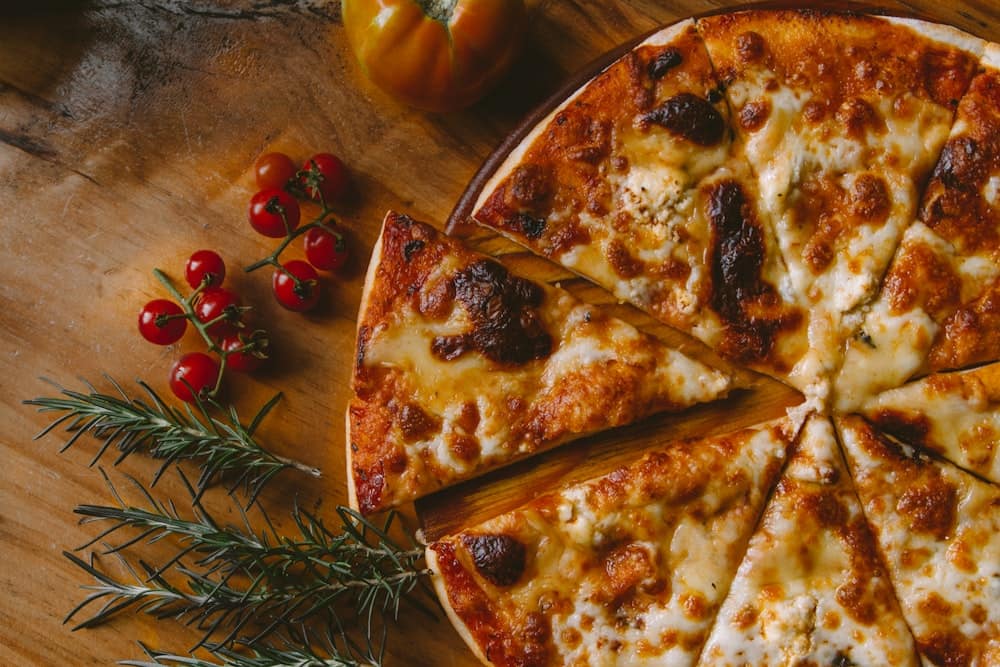
Toppings are the most personal part of pizza, and the easiest place to go wrong. Too many and the pizza turns soggy. The wrong combination and the flavours fight each other. Too few and it tastes thin. Done well, though, toppings turn a good pizza into one you remember and reorder. The good news is that the principles the best kitchens use are simple, and once you know them, you can order or build a great pizza every time.
Principle 1: balance, not volume
The biggest mistake home cooks and rushed kitchens make is piling on too much. Excess toppings release water, weigh the crust down, and prevent the pizza from baking evenly, leaving a pale, soggy centre. A few well-chosen ingredients beat a mountain of them every time. As a rule, three to four toppings is the sweet spot; beyond that you are usually adding mass, not flavour. We make the same point in what makes the best pizza.
Principle 2: manage moisture
Water is the enemy of a crisp crust. Wet toppings like fresh tomatoes, certain vegetables, and some meats give off liquid as they cook, and that liquid has nowhere to go but into your crust. The fix is to use them thoughtfully and pair them with drier ingredients, and to pre-cook the worst offenders so they release their water in the pan instead of on the pizza.
- High-moisture: fresh tomato, mushrooms, peppers, pineapple, fresh mozzarella.
- Low-moisture: cured meats, cooked onions, olives, hard cheeses.
- Balance tip: for every wet topping, lean on a drier one to keep things in check, and never let two or three juicy toppings gang up on a single pizza.
Principle 3: layer in the right order
Order matters more than people realise. A reliable structure is sauce first, then cheese, then toppings, with delicate items like fresh herbs added after baking so they do not scorch. This keeps the cheese melting properly underneath and protects the ingredients that burn easily. Some kitchens tuck a little cheese under heavier toppings too, to anchor them and stop them sliding off.
Principle 4: think in flavour roles
A great combination is not random; each ingredient plays a role. Think of it like casting a small story:
- The star: the headline topping that defines the pizza, like a savoury meat or a standout vegetable.
- The support: something that complements the star without competing, often an allium like onion or garlic.
- The accent: a small hit of contrast, such as heat, sweetness, brine, or a sharp cheese, that keeps every bite interesting.
When a pizza tastes muddled, it is usually because too many ingredients are all trying to be the star.
Combinations that just work
If you want a starting point, these classics are classics for a reason:
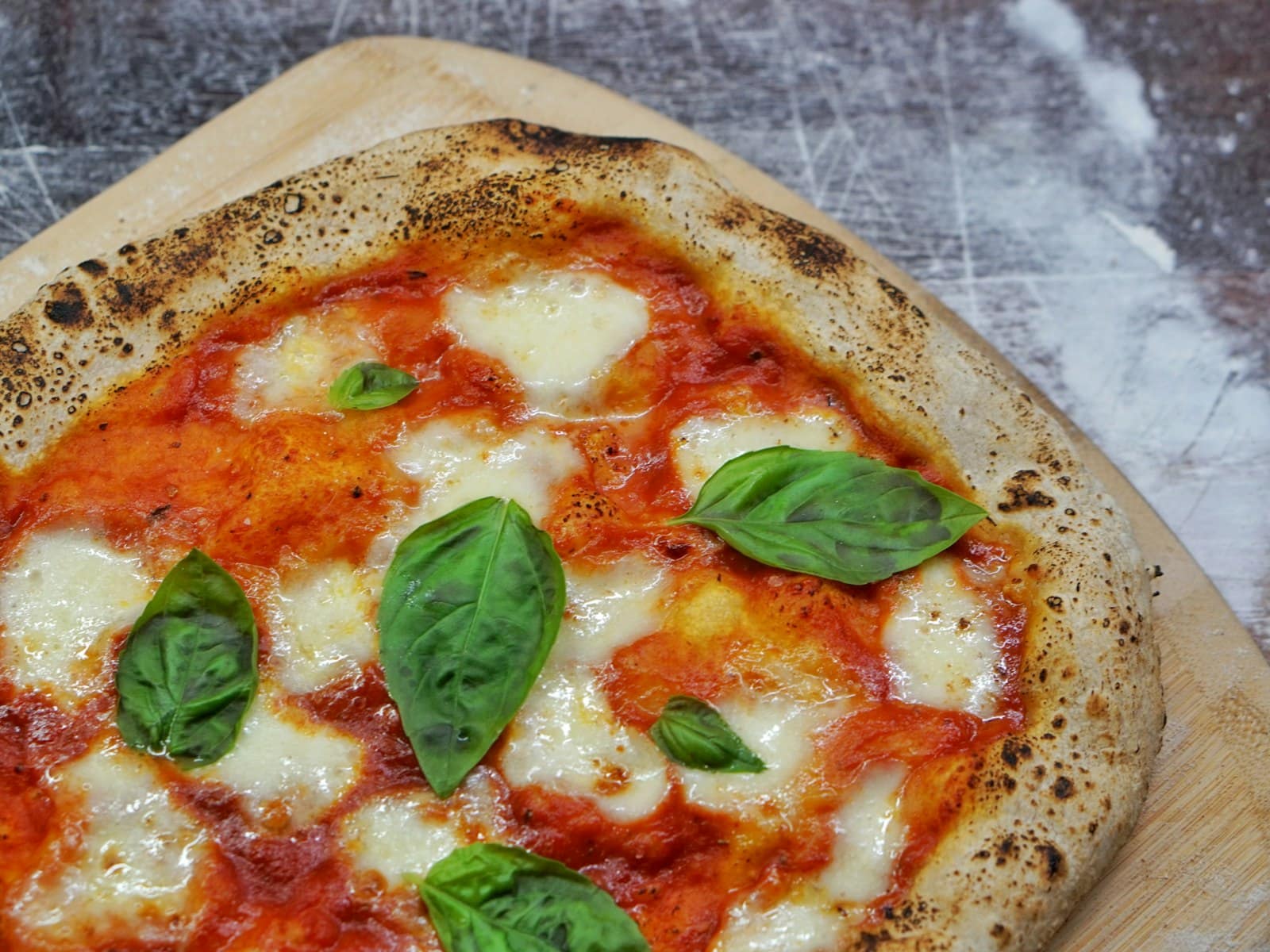
- Margherita: tomato, mozzarella, basil. Simple and perfect.
- Meat lover: a mix of cured and cooked meats balanced by a sturdy crust.
- Garden: a careful selection of vegetables, not everything at once.
- Hot and savoury: a spicy meat with sweet onion to balance the heat.
For more ideas, our post on the best pizza topping combinations goes deeper into pairings worth trying.
A great topping combination tells a small story: each ingredient has a reason to be there, and nothing is fighting for attention.
Vegetarian and lighter options
Vegetables can absolutely carry a pizza when treated with respect. The trick is to cook off excess moisture, combine textures and flavours intentionally, and build savoury depth with caramelised onions, roasted garlic, and flavourful cheese. A thoughtful vegetable pizza can outshine the meat options on the table. We dedicated a whole guide to this in vegetarian pizza done right.
Matching toppings to your crust
Finally, remember that toppings and crust are a team. Heavier, richer toppings want a thicker base that can support them; lighter, more delicate toppings shine on a thin, crisp crust where nothing gets lost. If you are choosing a base, our thin vs thick crust comparison will help you match the two.
Cheese is a topping too
It is easy to think of cheese as a fixed layer and toppings as the variable part, but cheese is one of your most powerful tools. The type and amount of cheese changes the whole character of a pizza. A sharp, aged cheese adds punch; a mild one steps back and lets other flavours lead; a thoughtful blend gives you both melt and flavour. And because cheese carries fat and moisture, it interacts with everything else on the pie, so treat it as a deliberate choice rather than an automatic blanket. There is more on the melt itself in cheese-pull perfection.
Common topping mistakes to avoid
Most disappointing pizzas fail in a few predictable ways. Knowing them helps you order and build better:
- Overloading: too many toppings steam the crust and bury the flavours under sheer mass.
- Ignoring moisture: two or three watery toppings on one pizza is a soggy guarantee.
- No contrast: three similar toppings taste muddy and one-note instead of layered.
- Forgetting balance: a pizza of only rich, salty toppings becomes heavy, with nothing bright to cut through it.
How toppings affect the bake
Toppings do not just sit on the pizza; they change how it cooks. Dense, cold, or wet toppings slow the bake and can leave the centre underdone, while a light, even scatter lets the heat do its job and crisp the base. This is yet another reason restraint wins: a thoughtfully topped pizza bakes evenly, crisps properly, and comes out of the oven looking and tasting intentional. When you also match your toppings to the right crust, covered in thin vs thick crust, the whole pizza works in harmony.
Toppings and the seasons
One easy way to keep your pizzas interesting is to follow the seasons. Vegetables taste best and cost least when they are in season, and a pizza built around what is fresh right now almost always tastes brighter than one using tired, out-of-season produce. A summer pizza might lean on peppers and fresh herbs; a cooler-weather one might feature roasted vegetables and heartier, deeper flavours.
Seasonal thinking also nudges you toward variety, so you are not eating the identical pizza all year round. It is the same instinct a good kitchen follows when it adjusts to what is good that day. You do not need to overthink it; just let what is fresh inspire the hero topping, and build the rest of the pizza around it using the balance and moisture principles above.
Frequently asked questions
How many toppings is too many?
As a rule, three to four well-chosen toppings is the sweet spot. Beyond that you risk a soggy, muddled pizza.
Should I put toppings under or over the cheese?
Usually over the cheese, so they brown and crisp. Delicate herbs are the exception and go on after baking. Some kitchens anchor heavy toppings with a little cheese underneath.
Why does my homemade pizza get soggy?
Almost always too many high-moisture toppings, too much sauce, or an oven that is not hot enough to set the crust quickly.
What is the most foolproof topping combination?
A simple Margherita or a classic pepperoni. Both are balanced, time-tested, and very hard to get wrong.
Now put it into practice. Build your own pizza and apply the balance rule.